WHERE HERITAGE MEETS RAMBO LEATHER MODERN CRAFTSMANSHIP
WHERE HERITAGE MEETS RAMBO LEATHER MODERN CRAFTSMANSHIP

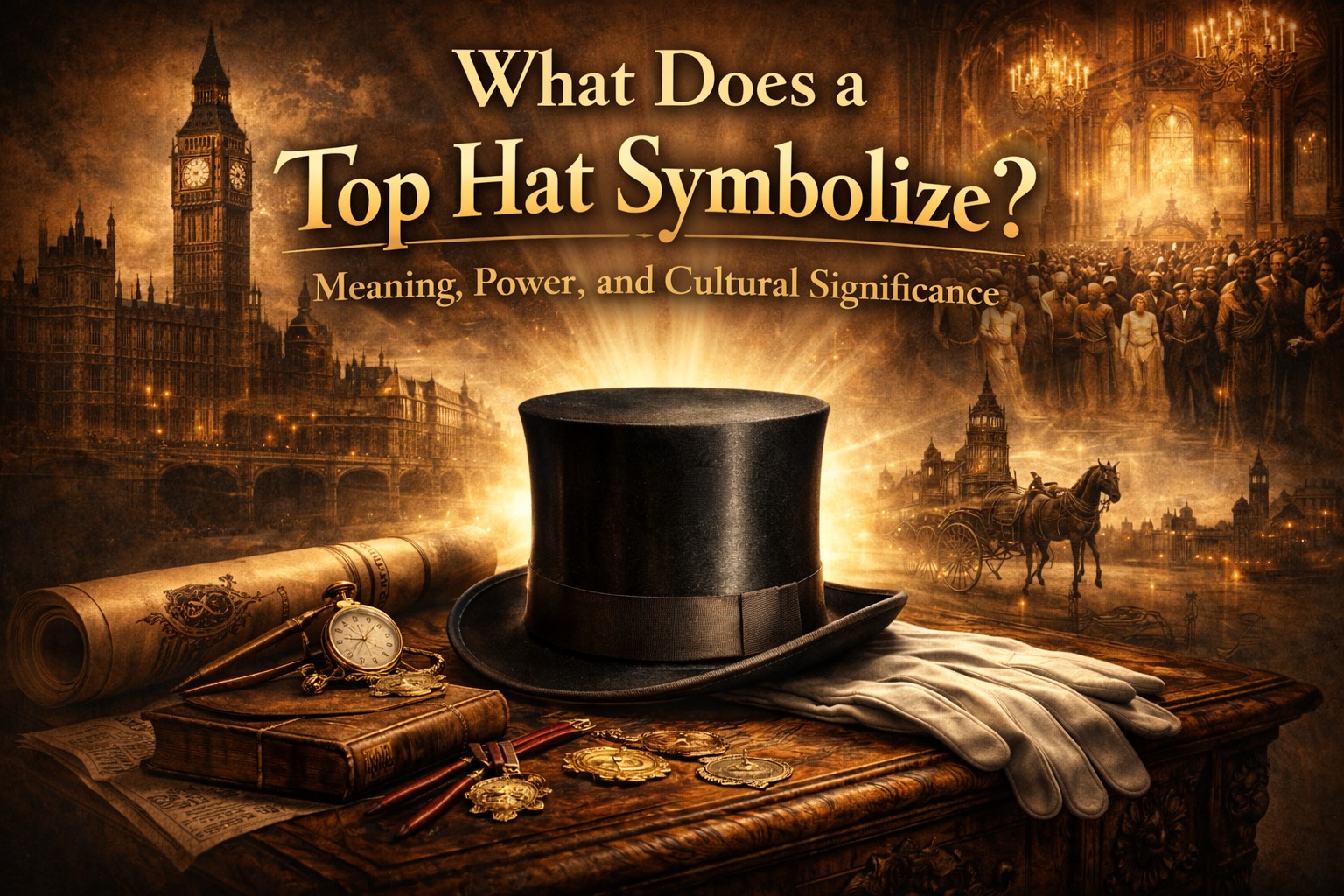
The top hat is one of the most iconic forms of headwear ever created. Recognized instantly by its tall crown and flat brim, it has long been associated with elegance, authority, and individuality. While traditionally linked to aristocracy and formal dress, the top hat has evolved far beyond its original role. Today, it appears in ceremonies, performances, themed events, and modern fashion as a bold statement accessory.
Understanding what a top hat represents today and how to wear it correctly helps ensure it feels intentional rather than outdated. This guide explains what a top hat is, where it comes from, how to choose the right one, how to style it, and when it truly works in modern settings.
The top hat originated in England in the late 18th century and quickly replaced earlier styles such as the tricorn hat. At the time, its tall and structured design was considered radical, symbolizing progress, refinement, and rising social status. By the early 19th century, the top hat had become a staple of gentlemen’s fashion, particularly during the Victorian era.
Traditionally made from beaver fur felt and later silk, the top hat was worn during formal daytime occasions, ceremonies, and important social events. Over time, everyday use declined as fashion became more relaxed. However, the top hat never disappeared. Instead, it evolved into a cultural and fashion icon maintaining its presence in formalwear, stage performances, and modern reinterpretations that continue to honor its heritage.


Styling a top hat successfully depends on balance. Because the hat naturally draws attention upward, the rest of the outfit should support it rather than compete with it.
For classic styling, pair a top hat with tailored coats, waistcoats, or formal suits. Neutral tones help maintain elegance and keep the look cohesive.
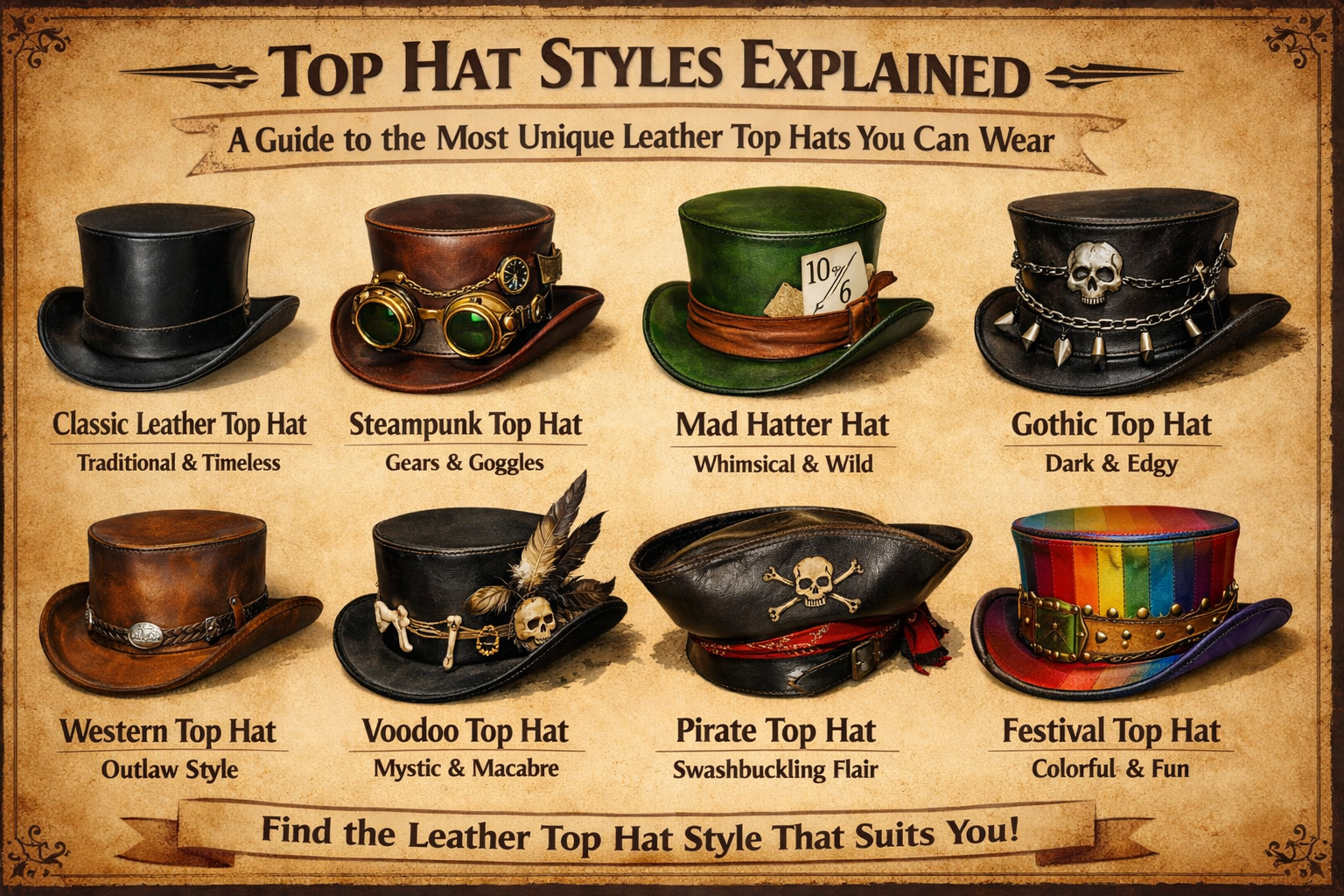
For modern or alternative styling, contrast works well. Combining the structured shape of a top hat with textured fabrics, boots, or layered clothing creates a visually striking yet controlled outfit. This approach is popular in fashion shoots, themed events, and expressive personal styling.
Accessories should remain minimal, allowing the top hat to remain the focal point.
Unlike caps or casual hats designed for comfort and daily use, a top hat is designed for presence. It does not blend in – it stands out. This makes it less practical for everyday wear but far more impactful when worn in the right environment.
A top hat works best at weddings, formal ceremonies, stage performances, fashion events, and themed gatherings. In these settings, it feels intentional and expressive. In overly casual environments, however, it can feel forced. The key is alignment between outfit, occasion, and purpose.
If you’re inspired by the timeless appeal of classic headwear and want a style that fits modern fashion, choosing the right hat is key. Whether for a formal event, a themed occasion, or a bold personal statement, well-crafted headwear can transform your entire look.
Explore premium headwear styles that combine tradition, durability, and contemporary design and find the piece that truly represents your style today.
No account yet?
Create an Account