WHERE HERITAGE MEETS RAMBO LEATHER MODERN CRAFTSMANSHIP
WHERE HERITAGE MEETS RAMBO LEATHER MODERN CRAFTSMANSHIP

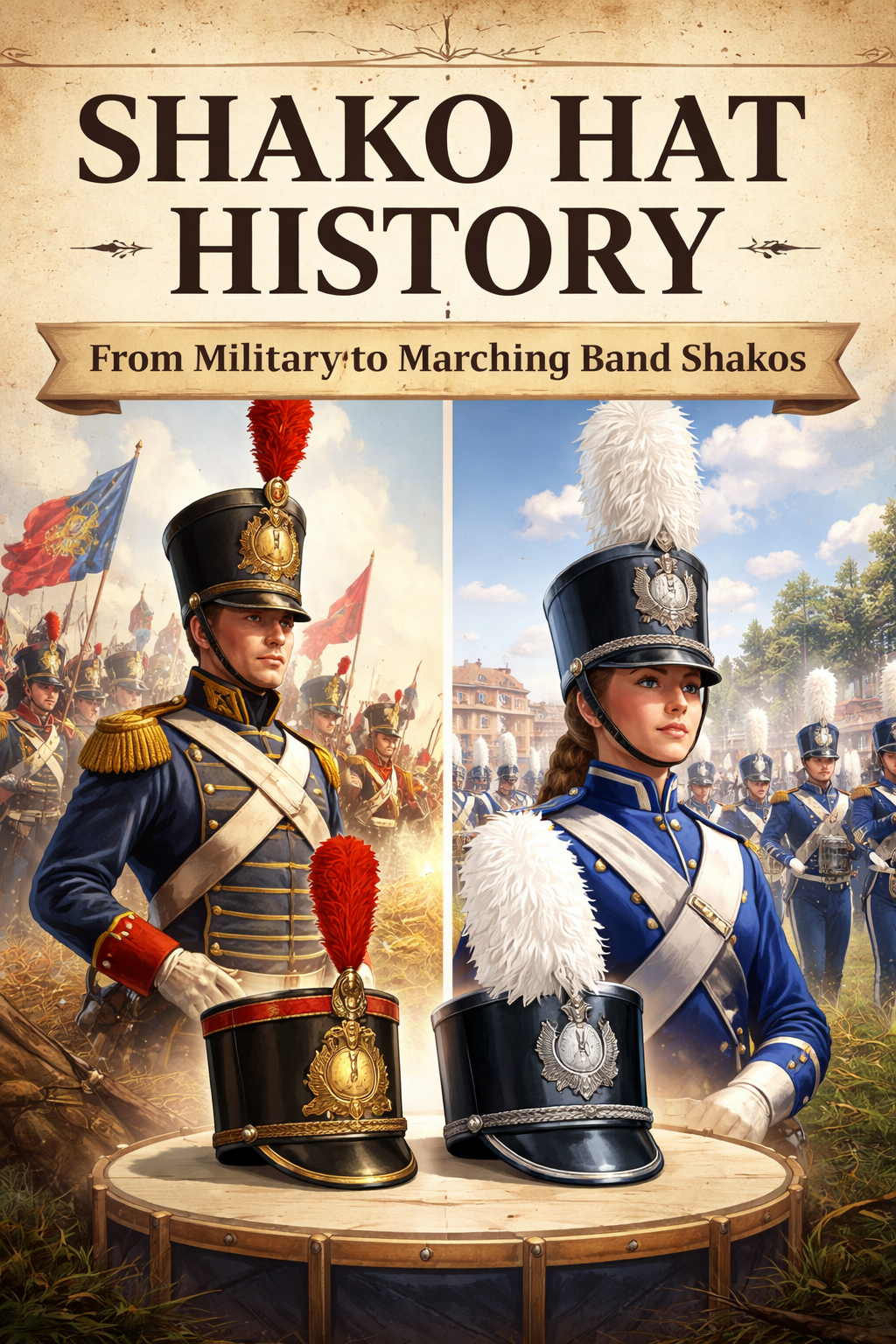
The shako hat is one of the most recognizable pieces of headwear associated with both military history and modern performance culture. Known for its tall cylindrical shape, structured crown, and decorative elements such as plumes and chin straps, the shako hat has evolved significantly over the centuries. What began as a practical part of military uniforms in Europe eventually found its way into ceremonial wear and eventually into the uniforms of marching bands around the world. Today, the marching band shako remains a key visual element in parades, competitions, and musical performances, blending historical tradition with modern design.
The origins of the shako hat date back to the late 18th and early 19th centuries, when European armies began adopting tall, structured hats as part of their uniforms. The design was influenced by earlier military headgear worn by Hungarian hussars and other cavalry units. Over time, the shako hat became popular across many European armies, including those of France, Britain, and Austria.
During this period, military uniforms were designed not only for practicality but also to project discipline, authority, and national pride. The shako hat’s distinctive height and structured shape helped soldiers appear taller and more imposing on the battlefield. It also provided a convenient place to display insignia, badges, and regimental symbols.
Beyond its visual impact, the shako hat helped create uniformity among troops. Soldiers marching in formation with identical headgear presented a powerful and organized image, reinforcing the discipline of the army.
The rapid adoption of the shako hat across European armies was no coincidence. Several practical and symbolic factors contributed to its popularity.
One of the most important roles of the shako hat was to create a strong visual identity for military units. Different regiments could be identified through variations in plumes, badges, cords, and decorative plates. This helped distinguish soldiers during parades, inspections, and ceremonial events.
The tall, cylindrical structure of the shako hat made it ideal for maintaining a clean and consistent appearance among troops. Its rigid construction allowed it to maintain shape during long marches and drills, ensuring soldiers looked disciplined and professional.
Military shakos were often decorated with brass plates, cords, cockades, and feathered plumes. These elements not only enhanced the aesthetic appeal of the hat but also served as indicators of rank, regiment, or nationality.
As military fashion evolved throughout the 19th century, the design of the shako hat also underwent several changes.
Early versions of the shako hat were typically constructed from leather, felt, or heavy cloth. These materials provided durability while maintaining the rigid cylindrical shape that defined the hat.
By the mid-1800s, many armies began emphasizing elaborate decorations on their uniforms, including shakos. Brass insignia, colored cords, and tall feather plumes became common features, especially for ceremonial units and elite regiments.
As warfare evolved and practical combat helmets replaced decorative headgear, the shako hat gradually disappeared from active battlefield use. However, it remained an important part of ceremonial military uniforms and parade dress.
This transition helped preserve the shako’s iconic design and eventually paved the way for its adoption in other fields, particularly music and performance.
The influence of military traditions on marching bands is undeniable. Early marching bands were often formed within military units, where music was used to maintain marching rhythm and boost morale among troops. Naturally, many elements of military uniforms including the marching band shako carried over into these performances.
Over time, schools, universities, and professional ensembles adopted marching bands as part of sporting events, parades, and competitions. The marching band shako became a central part of these uniforms because it offered both historical significance and visual impact.
Today’s marching band shakos are designed to maintain the classic military silhouette while incorporating lighter materials and modern comfort features. For performers who are selecting headgear for their band uniforms, understanding fit and style is important. In fact, many band directors and performers refer to guides such as How to Choose the Right Shako Hat for Marching Band Performances to ensure they select the most suitable option for their needs.
Although inspired by historical military designs, modern marching band shakos are optimized for performance environments.
The tall crown remains the defining characteristic of a marching band shako. This height enhances the visual presence of performers and creates a uniform appearance when the band marches in formation.
Many marching band shakos include colorful plumes attached to the top. These plumes add movement and flair during performances, making the band more visually dynamic.
A chin strap helps secure the hat during movement, while the visor provides a polished and professional appearance. These elements also help maintain alignment across the entire band.
Unlike earlier military versions made from heavy materials, modern shakos are typically constructed from lightweight synthetics or structured fabrics. This ensures comfort during long rehearsals and performances.


Even in the modern era, the marching band shako continues to play an essential role in band traditions and performances. The hat helps create a unified appearance among performers and adds visual height that enhances formations on the field or during parades.
Beyond aesthetics, the marching band shako also connects performers with a long-standing tradition rooted in military history. Many musicians appreciate wearing a piece of headgear that reflects centuries of cultural and ceremonial heritage.
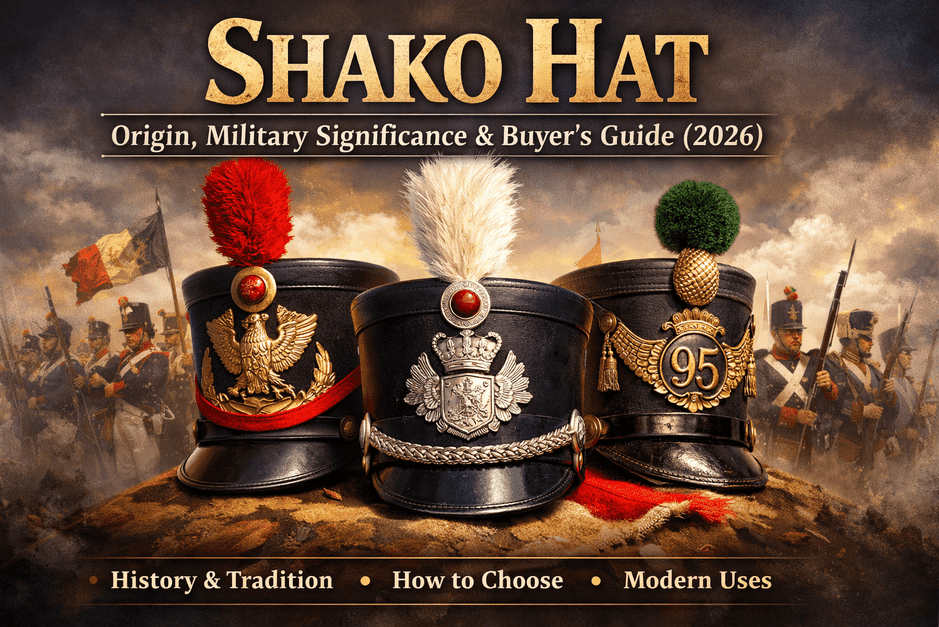
For readers interested in exploring the deeper historical and cultural background of this iconic headwear, the guide Shako Hat Explained: Origin, Military Significance & Buying Guide (2026) offers additional insights into its development and significance.
A shako hat is a tall, cylindrical hat historically worn as part of military uniforms during the 18th and 19th centuries. It is known for its structured crown, decorative elements, and distinctive silhouette.
A marching band shako is a modern adaptation of the traditional shako hat, designed specifically for marching band performances. It typically includes features such as plumes, chin straps, and lightweight materials for comfort.
Marching bands wear shako hats to create a unified and visually striking appearance. The tall design enhances the band’s formations and adds tradition to performances.
Modern shakos are usually made from lightweight materials such as structured fabric, plastic frames, or synthetic blends to ensure durability and comfort.
While they are no longer used in active combat uniforms, shako hats are still worn in ceremonial military units and historical reenactments.
From its origins in European military uniforms to its modern role in marching band performances, the shako hat has maintained its iconic status for centuries. Its distinctive design, historical significance, and visual impact continue to make it a popular choice for performers and ceremonial groups alike.
Join us on a journey through time and see how the Shako has transformed over the years. Your next favorite accessory awaits dive into its story today!
No account yet?
Create an Account