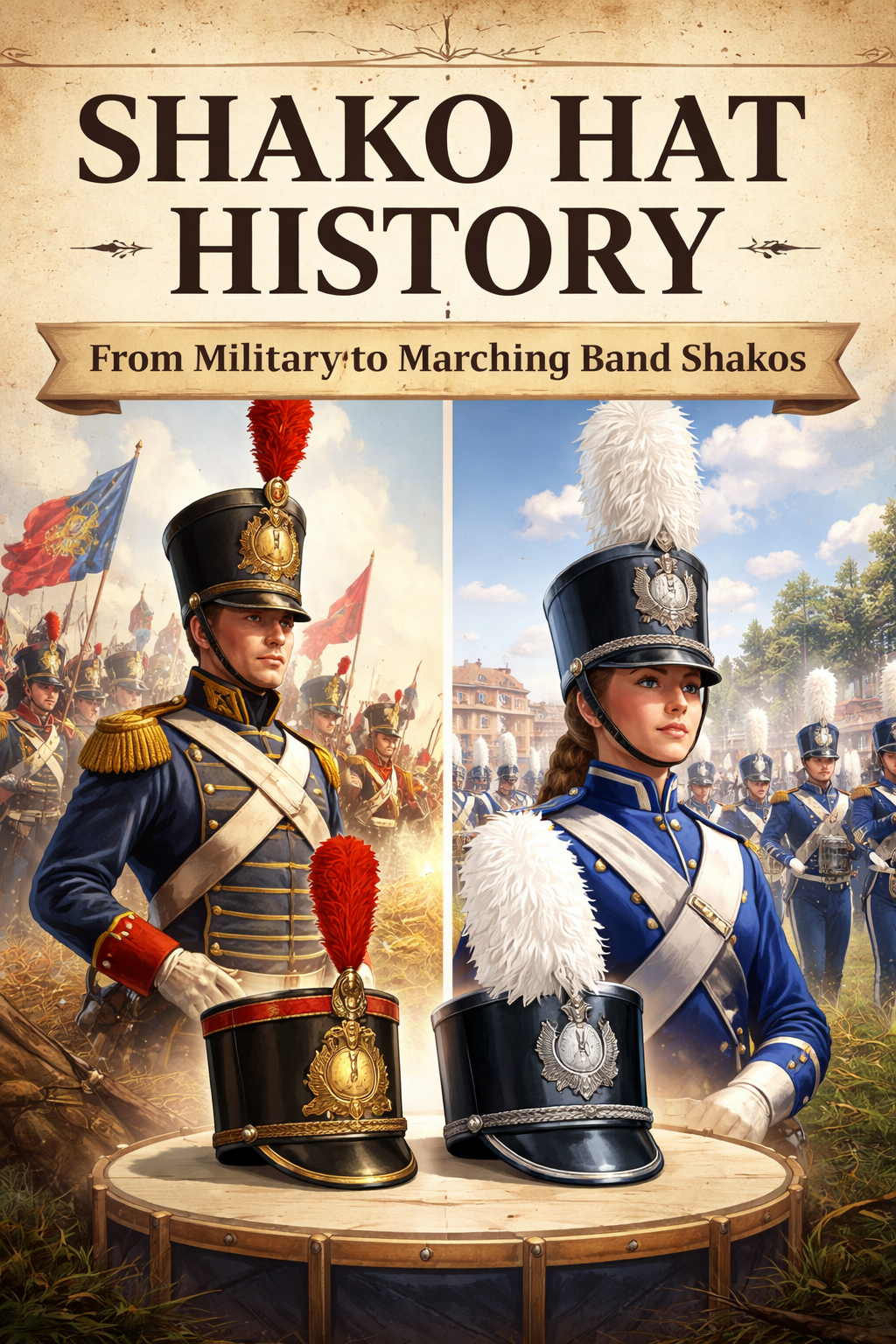
WHERE HERITAGE MEETS RAMBO LEATHER MODERN CRAFTSMANSHIP
WHERE HERITAGE MEETS RAMBO LEATHER MODERN CRAFTSMANSHIP

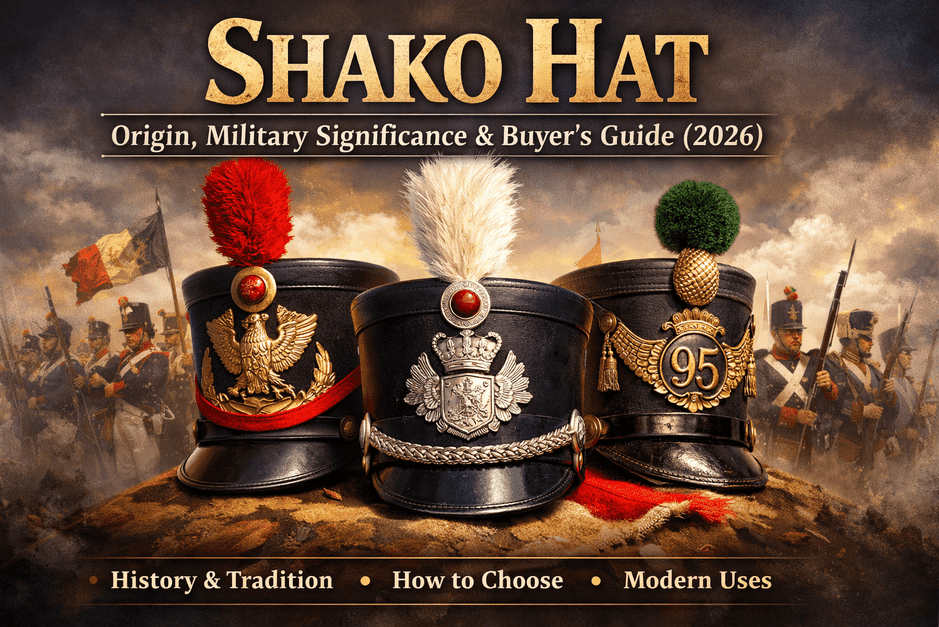
The shako hat is one of the most recognizable forms of historical military headgear, instantly associated with disciplined formations, ceremonial precision, and 19th-century European armies. Characterized by its tall cylindrical shape, front visor, and decorative plume or badge, the shako was designed to project authority, uniformity, and visual command on the battlefield.
Unlike purely decorative military attire, the shako hat served both functional and symbolic purposes. It helped soldiers appear taller and more imposing, reinforced unit identity, and allowed officers and troops to be identified quickly within structured formations. Over time, it became an enduring symbol of military order and ceremonial tradition.
Today, the shako hat remains relevant beyond its historical origins. It is widely used in historical reenactments, military bands, educational exhibits, and private collections. Its continued presence reflects not only its distinctive design but also its importance in understanding how military uniforms communicated hierarchy, discipline, and national identity.
This guide explores the shako hat’s origins, military significance, construction, and modern relevance, offering historically grounded insights for enthusiasts, collectors, and students of military history.
The shako hat emerged in Europe during the late 18th and early 19th centuries as military uniforms evolved toward greater standardization and visual distinction. Earlier headwear, such as tricorn and bicorn hats, were gradually replaced by designs that emphasized uniformity, vertical presence, and battlefield recognition.
Military forces across Europe adopted the shako because it provided several advantages:
By the mid-19th century, the shako had become widely associated with infantry units and ceremonial military dress. Variations appeared across different armies, but the core design remained consistent: a structured cylindrical body, visor, and decorative front
Historical records and preserved examples demonstrate that the shako was not merely ornamental. Its design reflected military priorities of the time: organization, visibility, and psychological impact. Uniform appearance played a crucial role in maintaining discipline and projecting strength, both to opposing forces and to the public.
The shako hat held profound symbolic and practical significance within military culture.
Uniform headgear reinforced hierarchy and obedience. The structured, identical appearance of shako hats helped communicate the discipline expected of organized military forces.
Regimental badges, plumes, and insignia displayed on the shako allowed rapid identification of units. This visual coding system supported command structure and battlefield coordination.
Military uniforms were designed to influence perception. The height and rigid form of the shako made soldiers appear more imposing, reinforcing presence and cohesion in formation.
Beyond battlefield use, the shako became associated with formal military ceremony. Its structured elegance reflected national pride, order, and institutional tradition.
From a historical perspective, the shako represents a period when military attire served as a communication system conveying rank, allegiance, and authority without words. This dual function of practicality and symbolism explains why the design persisted long after battlefield conditions evolved.
Authentic shako hats were constructed using durable materials that balanced structure with wearability:
Quality construction ensured the hat retained its shape, which was essential for maintaining uniform appearance and symbolic authority.


| Feature | Shako Hat | Civil War Kepi | Bicorn Hat | Militaria Caps |
|---|---|---|---|---|
| Shape | Tall cylindrical | Soft, flat-topped cap | Broad, two-sided | Varies by era |
| Primary Era | 19th century | Mid-19th century | 18th–early 19th century | Multiple periods |
| Function | Authority + uniform identity | Practical field wear | Officer distinction | General military use |
| Symbolism | Discipline and formation | Practical service | Command authority | Rank or function |
| Structure | Rigid and tall | Soft and flexible | Structured and wide | Varies |
Today, the shako hat continues to serve educational and ceremonial roles:
Its continued use reflects enduring interest in historical military culture and visual tradition.
To maintain historical credibility:
Styling should emphasize authenticity rather than ornamentation.
Appropriate contexts include:
The hat is traditionally formal and symbolic rather than casual attire.
The continued relevance of the shako hat can be attributed to three key factors:
It represents a defining era of military uniform development and organizational structure.
Few historical headpieces are as instantly recognizable or symbolically powerful.
Reenactors, historians, and collectors preserve the design as part of broader military heritage.
In an era where historical education increasingly values visual authenticity, the shako remains an important artifact of military identity and tradition.
A true shako hat doesn’t just complete an outfit it defines presence, discipline, and historical character. Whether for reenactment, ceremony, or collection, choose a design that reflects authenticity and purpose. Explore refined craftsmanship, elevate your uniform, and carry forward a legacy of military distinction.
No account yet?
Create an Account